
We seek to provide a place to share stories about the progress being made, how to overcome challenges, and ideas to inspire.


Our Shield
Watch the video to learn more
AWARENESS
by having a voice and eliminating stigmas through education and encouragement
OPPORTUNITY
to make a difference every day and decide how we make an impact
ACTION
our words and intent through assisting in areas of need by providing time and resources
We seek to provide a place to share stories about the progress being made, how to overcome challenges, and ideas to inspire.
Each conversation is about the work being done and the opportunity before us. Whether it’s about advocacy, awareness, or challenging stigmas we know that together anything and everything is possible.
We learn from yesterday, in pursuit of tomorrow, here we all work to ensure EveryDayMatters!
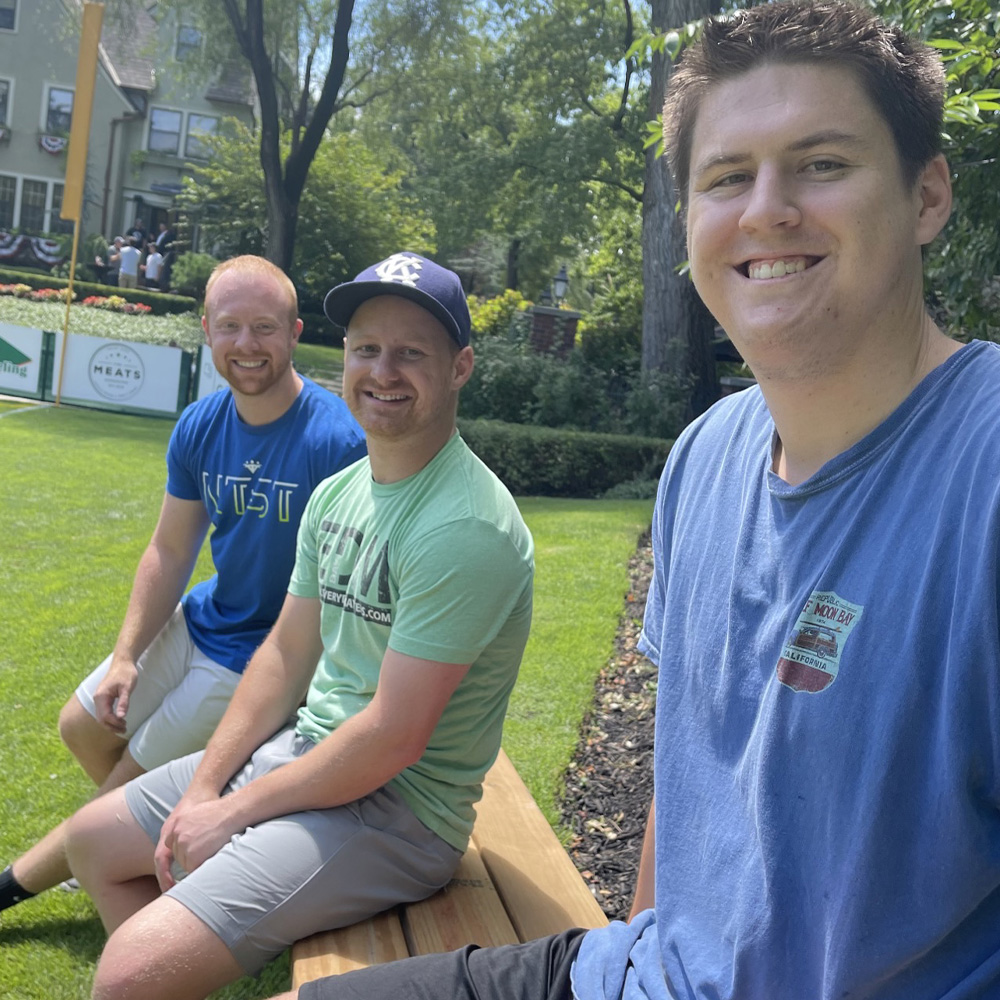
Here are 10 things you can do right here, right now to
#BeTheDifference

Ask someone how they are and actively listen
Pay it forward – #BetterTogether
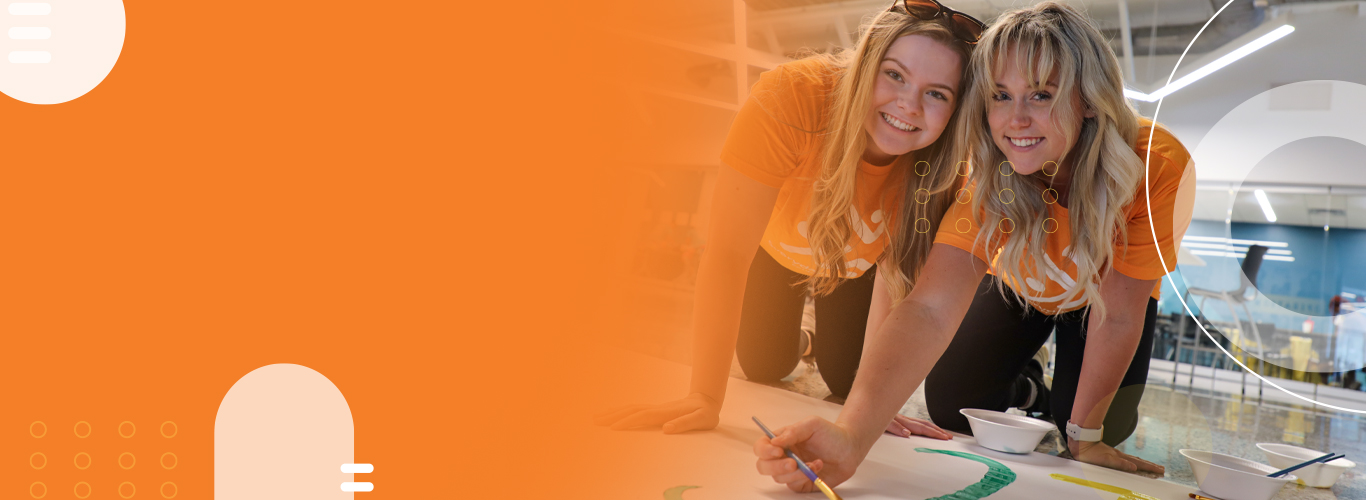
Organize a group to volunteer together or be a participant in giving back to your community
Call someone just because
Unplug and take a technology break
Become Mental Health First Aid and QPR certified
Schedule some quiet time, a walk or yoga
Be kind and intentional
Offer help to others and be willing to accept help as well
Smile and express gratitude, we’re #InThisTogether
JOIN THE CAUSE
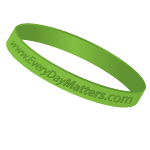
Request a FREE EDM bracelet today!
Join us in stomping out the stigma that surrounds mental health.
Please share with us what you’re passionate about and how you make EveryDayMatter.

Donate
With PayPal™, you can give to the EveryDayMatters® Foundation quickly and easily.